The 5 Essentials of Effective Patient Education Every Clinician Should Know
Why Great Patient Education Matters
Clear communication in healthcare isn’t optional; it can be live-saving. When patients understand their medical care, treatment adherence, safety, and outcomes improve.
Even well-intentioned clinicians often communicate in ways that alienate or confuse patients. Clinical jargon and personal assumptions degrade trust and make it difficult for patients to feel heard and understand what they need to do to care for themselves or their loved ones.
Great patient communication takes a bit of practice, but it’s a crucial skill for all healthcare clinicians. Best practice includes five major elements: clear communication, multi-modal teaching methods, actionable instructions, individual and cultural sensitivity, and confirmation of understanding.
Clear, Plain Language
Speak like a human, not like a textbook. Medical jargon, acronyms, and complex explanations often overwhelm patients. Far from being unprofessional, using plain language builds trust and increases comprehension.
It’s okay to use the word “poop” instead of “defecate”. Really, it is. Patients will appreciate you telling them their loved one “has a fever” rather than you stating that “they’re febrile”. The elderly lady you’re caring for will almost certainly feel lost when you talk about her “systolic blood pressure”. Better to explain that you’re referring to the top number of her blood pressure reading.
Patients are much more likely to follow recommendations they actually understand, so choose your words with care and respect.
Multi-Modal Learning
Show, don’t just tell. People retain information better when it’s both seen and heard. Some folks struggle to follow verbal conversation or retain spoken information. Multimodal education especially supports the patients at highest risk of misunderstanding medical information: those with low literacy, language barriers, or disabilities.
Try to include as many different elements in your patient teaching as possible. Show the patient a diagram of the anatomy you’re discussing. Have them watch a video demonstrating how to inject their insulin. Offer them a handout so they have a written reminder of what their medication is for. A simple visual can reduce errors and increase patients’ trust and confidence.
Actionable Instructions
When’s the last time someone gave you vague instructions for something really important? You probably left that conversation feeling a bit frustrated.
Patients need clear, specific actions to feel confident that they’re caring for their medical conditions as best they can. Whenever possible, give concrete timelines, quantities, and examples.
Telling someone to “watch how much salt they eat” is not clear or practical advice. Instead, explain which foods are high in sodium, which foods make good lower-salt swaps, and why eating less salt is important. This supports your patient with actionable education and reduces overwhelm.
Individualization and Sensitivity
Good education meets people where they are. Blanket instructions rarely work for every patient.
Adapt your guidance for each patient based on their unique cultural context, health beliefs, literacy level, and socioeconomic realities. Refer to patients using their preferred name and pronouns and use gender-inclusive language.
Individualized education helps patients feel respected and understood. Without that trust, even the most well-intentioned education won’t stick.
Patients learn better when they feel safe and respected. When clinicians use an empathetic tone and validate concerns, patients are able to learn and retain more information.
The Teach-Back Method
The teach-back method is the gold standard for ensuring your patient actually understands what you just explained. Take a non-judgmental approach and ask: “I want to make sure I explained this clearly. Can you tell me in your own words how you’ll do this at home?”
The teach-back method uncovers misunderstandings and provides an opportunity to reinforce important points.
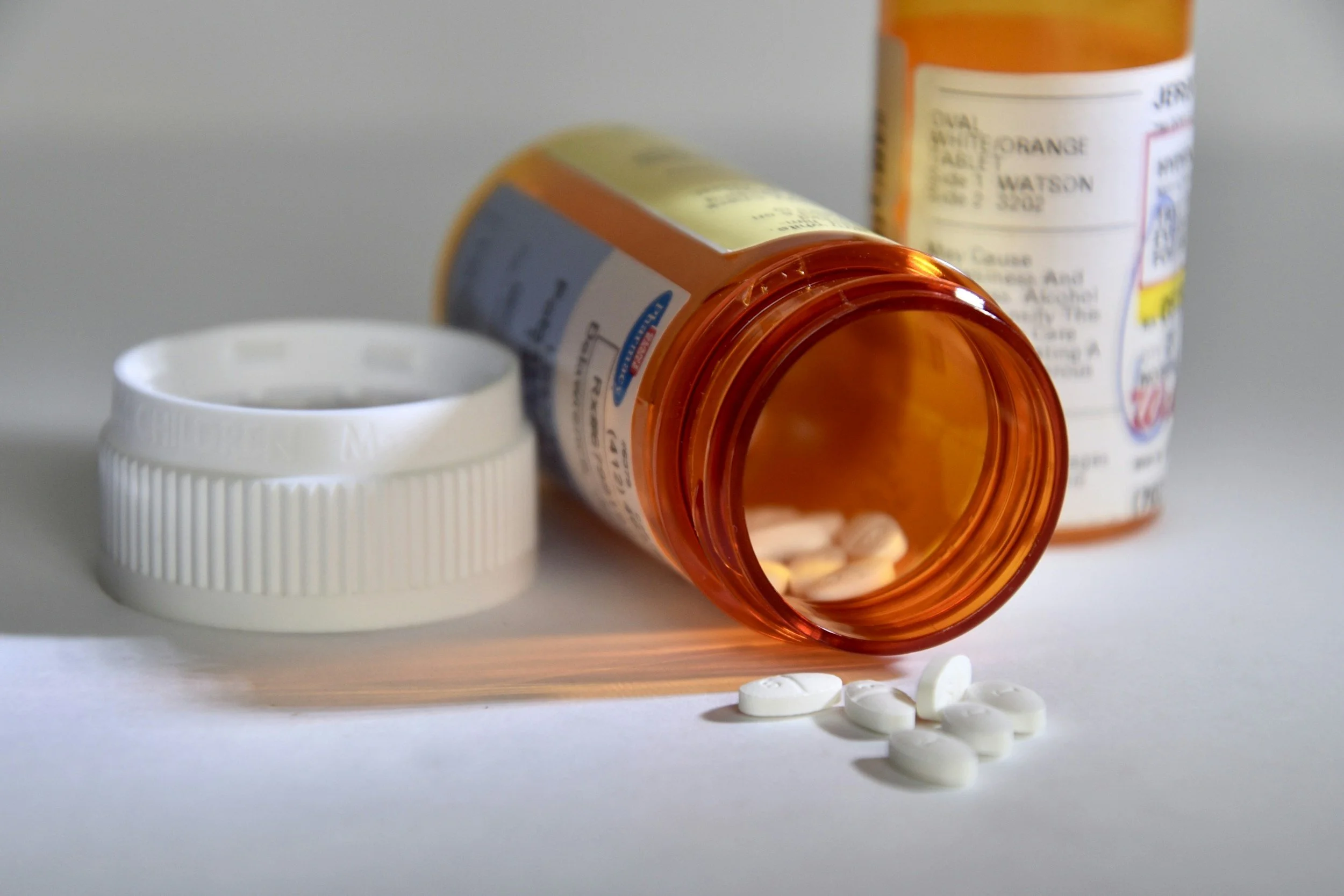
Thorough patient education includes using the teach-back method to ensure that the patient understands.
Great Education, Better Outcomes
Effective education is one of the most powerful clinical tools; even small communication changes build patient trust and encourage autonomy. Remember:
Use plain, human language
Add visuals or demonstrations
Provide step-by-step, actionable instructions
Tailor education to the patient’s lifestyle, preferences, and barriers
Use teach-back to confirm understanding
Try editing one piece of patient education material to include these elements, or use your next patient discussion as a chance to practice. By tailoring your patient education to the person in front of you, you empower the people under your care to take action that supports their own health.
