Why the Department of Education’s Move to Exclude Nursing from “Professional” Degrees Threatens the Future of U.S. Healthcare
The Department of Education’s recent decision to exclude nursing from its list of “professional” degrees is one more step toward pushing our teetering healthcare system over the edge.
This redefinition impacts financial aid, career pathways, and perceptions of the profession. While this change may appear to be largely semantic, it will make it more difficult for nurses to pursue advanced degrees as Nurse Practitioners, researchers, and faculty. For a field already experiencing widespread burnout and chronic shortages, this comes at the worst possible time.
What the Department of Education Changed
The One Big Beautiful Bill Act created what the Department of Education calls “commonsense caps on federal student loan limits for graduate degrees”. People pursuing advanced schooling in the fields which are included on the DOE’s list of “professional” degrees may borrow up to $200,000 in their lifetime, while professions not on the list may only borrow up to $100,000. The changes were made in an attempt to reign in federal education spending and limit individual student loan debt.
Professions that made the list include pharmacy, dentistry, veterinary medicine, chiropractic, law, medicine, optometry, osteopathic medicine, podiatry and theology. Nursing, along with fields such as physical and occupational therapy, social work, and education, are no longer considered professional degrees deserving of higher borrowing limits.
Why This Matters for Patients and Communities
At first blush, this change seems almost…helpful? After all, most nurses hold an Associate or Bachelor’s degree; these two and four year programs are not affected by the change. The DOE’s website decries “fear mongering” by “certain progressive voices”, stating that the change will impact only 5% of potential borrowers seeking an advanced nursing degree. The new $100,000 cap applies only to graduate degrees. Limiting loan debt and perhaps forcing universities to lower their costs doesn’t sound like such a bad thing.
Why then, have organizations such as the American Nurses Association and the American Association of Nurse Practitioners released statements calling for the inclusion of nursing education pathways on the DOE’s list of professions allowed higher borrowing limits?
Cutting borrowing limits reduces access to graduate nursing education. Lower loan caps make advanced degrees less affordable, especially for low-income and first-generation students, potentially discouraging them from pursuing advanced training.
Reducing access to nursing graduate loans further erodes the number of nursing educators. Typically, a doctoral degree is required to teach other nurses. Limiting access to graduate nursing degrees threatens the supply of future nursing faculty, further exacerbating the already critical shortage of nursing educators. With fewer educators, nursing school enrollment must be limited, which impacts the number of nurses available to care for your friends and family when they become ill.
This change impacts access to care for those who need it most. Nurse practitioners are prepared at the master’s or doctoral level and provide primary care, often in rural and underserved communities. 80% of NPs see Medicare and Medicaid patients. Restricting their financing will directly reduce provider supply where it’s needed most.
Downstream Effects Directly Worsen Patient Care. Fewer nurses and fewer advanced-practice nurse clinicians will make your trip to the hospital or clinic even more tedious. The shortage will raise patient wait times and reduce preventive care. Without proper preventative care, emergency department visits and hospital readmissions increase.
The DOE’s list raises concerns for equity and diversity. Loan access changes disproportionately hurt students from lower-income and underrepresented backgrounds, and most of the professions excluded from the list are heavily female-dominated. This worsens workforce diversity and decreases access to culturally competent care in underserved communities.
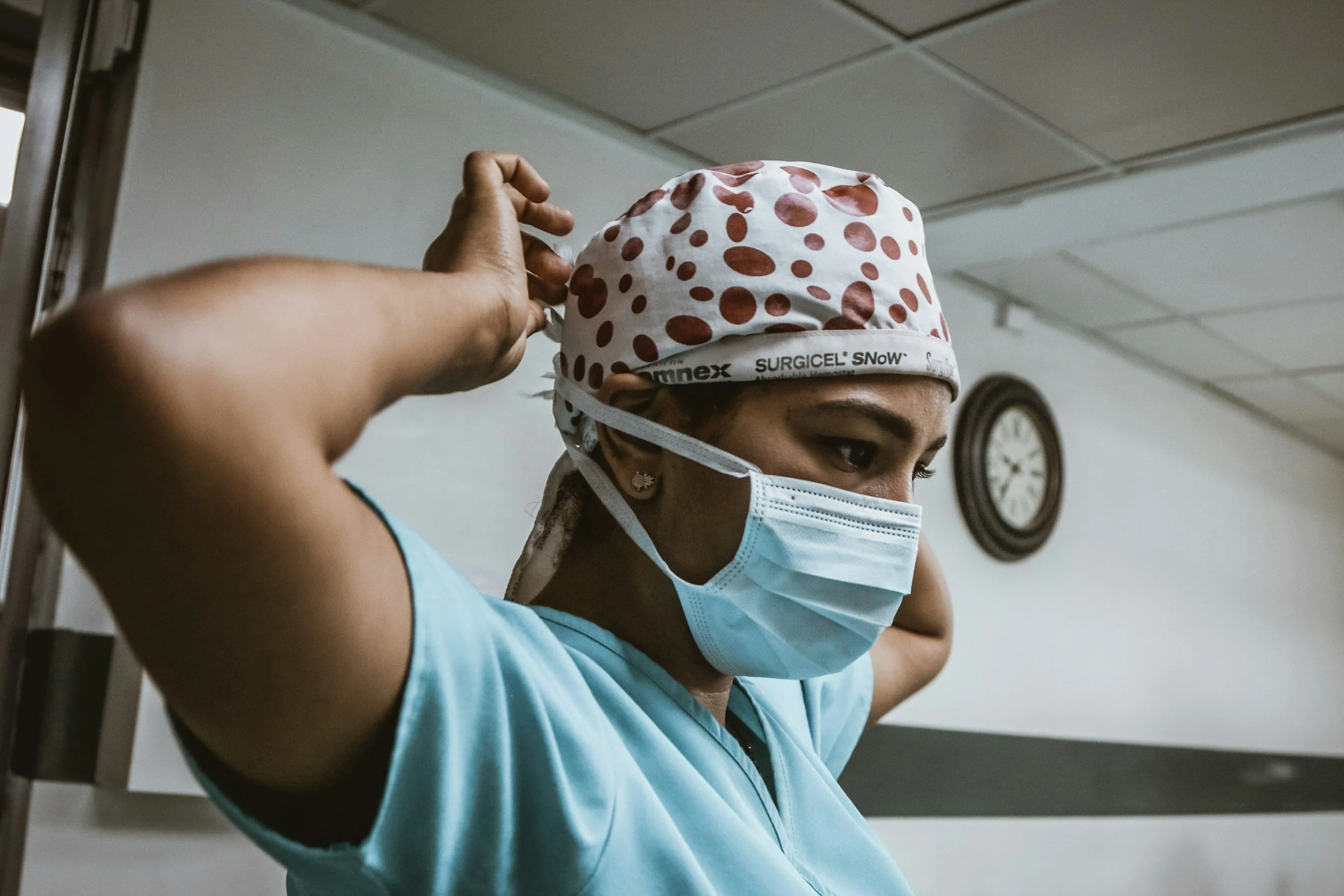
Nurse Practitioners provide advanced care to populations who need it most.
What the Department of Education Says, and Why Nurses Disagree
The DOE states that this is a technical classification used to determine borrowing caps, not a value judgement. DOE data says most nursing students borrow below the proposed caps, even for advanced degrees.
Critics remain unconvinced. The American Association of Nurse Practitioners stated that “restricting NP student access to professional loans will have a direct and damaging impact on patient access to health care”. In an article for the LA Times, American Nurses Association President Jennifer Mensik Kennedy reminded the public that “Nurse practitioners provide the largest amount of primary care services in the United States…We have a primary care shortage right now. And we’re going to continue [to have one]. Now we’re not going to fully allow nurse practitioners to get the funding they need.”
How You Can Help
In short, nurses pursuing a Bachelor’s or Associate degree in nursing will not be affected, but aspiring Nurse Practitioners, nursing faculty, and nurse researchers will be. This further de-stabilizes an already strained healthcare system.
If you’d like better care, shorter wait times, and improved healthcare access for yourself and your loved ones, support nursing professionals by signing this petition from the American Nurses Association.
